Pregnancy & Infant Loss Awareness Month: Turning Awareness into Action
October is Pregnancy and Infant Loss Awareness Month–a time for remembering the babies who are gone too soon, for recognizing the families who still love and grieve them, and for reflecting on how healthcare professionals can offer more compassionate care in the case of an infant's death.

How Empathy Provides an Avenue for Superior Bereavement Care
It’s important to raise awareness about infant loss, but awareness should consist of more than just a date written on the calendar: It should result in action.
For healthcare teams, that action begins with meeting the needs of the family experiencing loss.
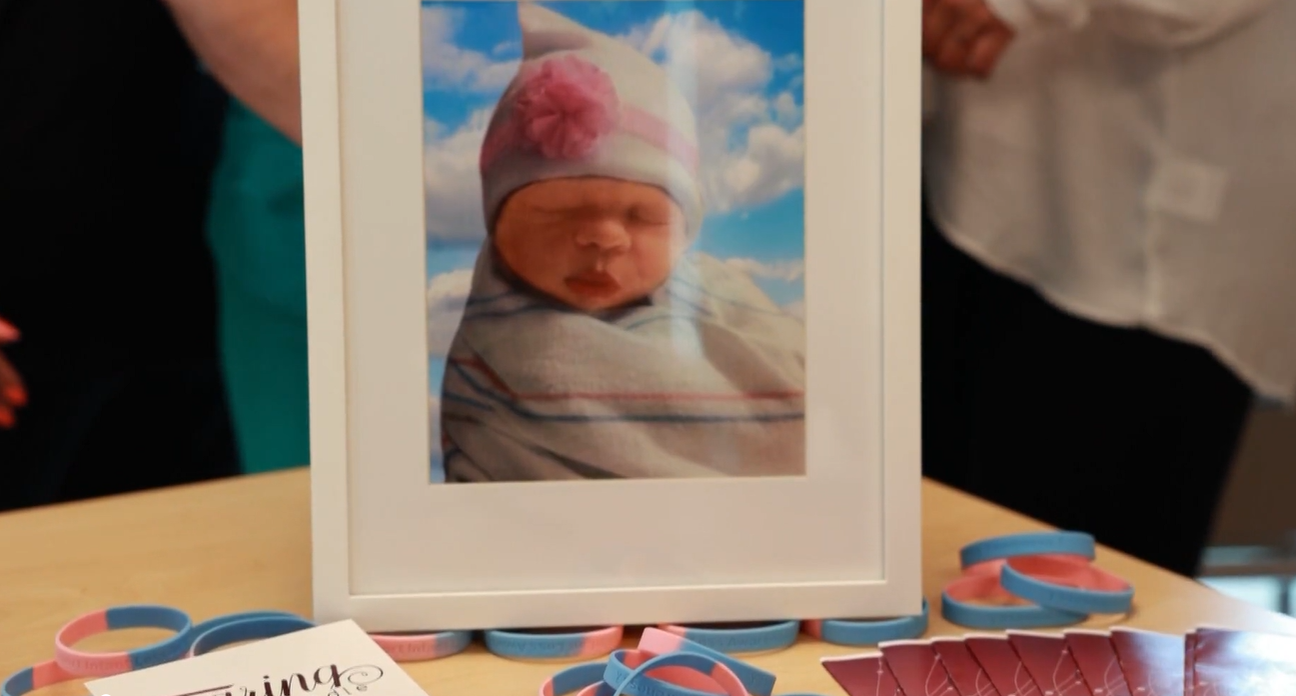
What each family needs will be different. Some parents might wish to hold their baby for minutes to several hours. There are those who would like the grandparents and siblings to meet the baby. Others might prefer just a few quiet moments together. Some will want photographs, footprints, handprints, or other mementos. Others may not want any of these things.

There is no single way to grieve the loss of a baby, just as there is no single way to experience those precious final moments together. What matters is giving each family the time, space, and choices to navigate their loss in the way that feels right for them. For families who want more time with their baby, Caring Cradle® helps healthcare teams answer one of the most difficult questions in bereavement care: How can we give them that time?
Empathy as Action
Empathy in bereavement care does not just mean having sympathy for a family; it involves taking the time to realise that the family is going through something deeply personal and then reacting in a manner that respects their individual needs, beliefs, relationships, and wishes.
To those experiencing loss, please know that your baby matters. The relationship you have with your baby matters, and you deserve to have a voice in what happens next.

For healthcare teams supporting these families, being empathetic and providing compassionate care means creating space for those choices. Caring Cradle gives families who want it the gift of time with their baby.
Defining "Space" in Compassionate Care
Giving space in compassionate care means giving families the chance to be together without facing unnecessary interruptions or pressure.
For a family that has lost an infant, providing space could mean giving the partner a chance to hold the baby. It could include letting grandparents or siblings say hello and goodbye, or simply letting the parents choose when they are ready to leave.
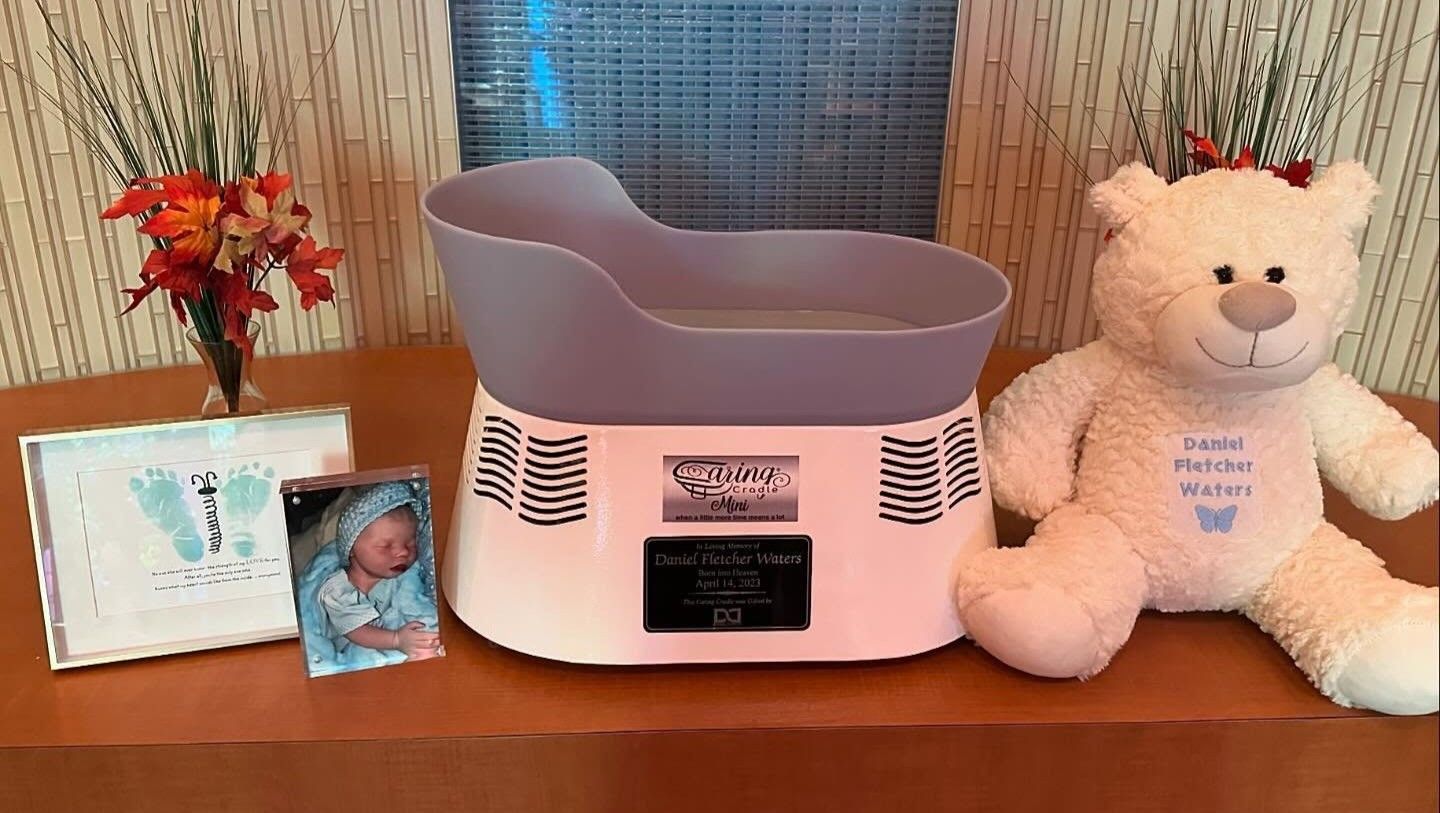
Caring Cradle helps make that space possible. By providing a way for a baby to remain safely with their family for longer, Caring Cradle gives parents the opportunity to slow down and spend meaningful time together without feeling rushed.
That time may look different for every family. For some, it may be a few additional moments; for others, it may mean several hours together. The important thing is that families have the opportunity to decide what those moments look like for themselves. Caring Cradle helps healthcare teams create that space, so families can focus less on the constraints of time and more on being together.
Every Baby Deserves to Be Loved and Remembered
A common and very painful misunderstanding about the loss of an infant is the belief that a short life means that the loss is smaller in extent. This is incredibly untrue.
A baby could have lived for a few minutes, a few hours, a few days, or might never have had the chance to live outside the womb, but the depth of the love for that baby and the significance of the loss to the family are not determined by any of these circumstances.
For parents, their relationship with their baby started well before the child was born. Choosing a name, deciding on a nursery, looking at an ultrasound picture, formulating hopes and plans, or simply anticipating the moment when they would meet the baby they had imagined are all acts of love and elements of a relationship between parent and child.
The loss of a child is not only a source of sorrow for parents, but also a sorrow over the future which they had hoped to spend with that child.

What Families Need From Their Healthcare Team After Infant Loss
Families experiencing infant loss need clinical care, but they also need something that cannot be prescribed or charted in the traditional sense: time.
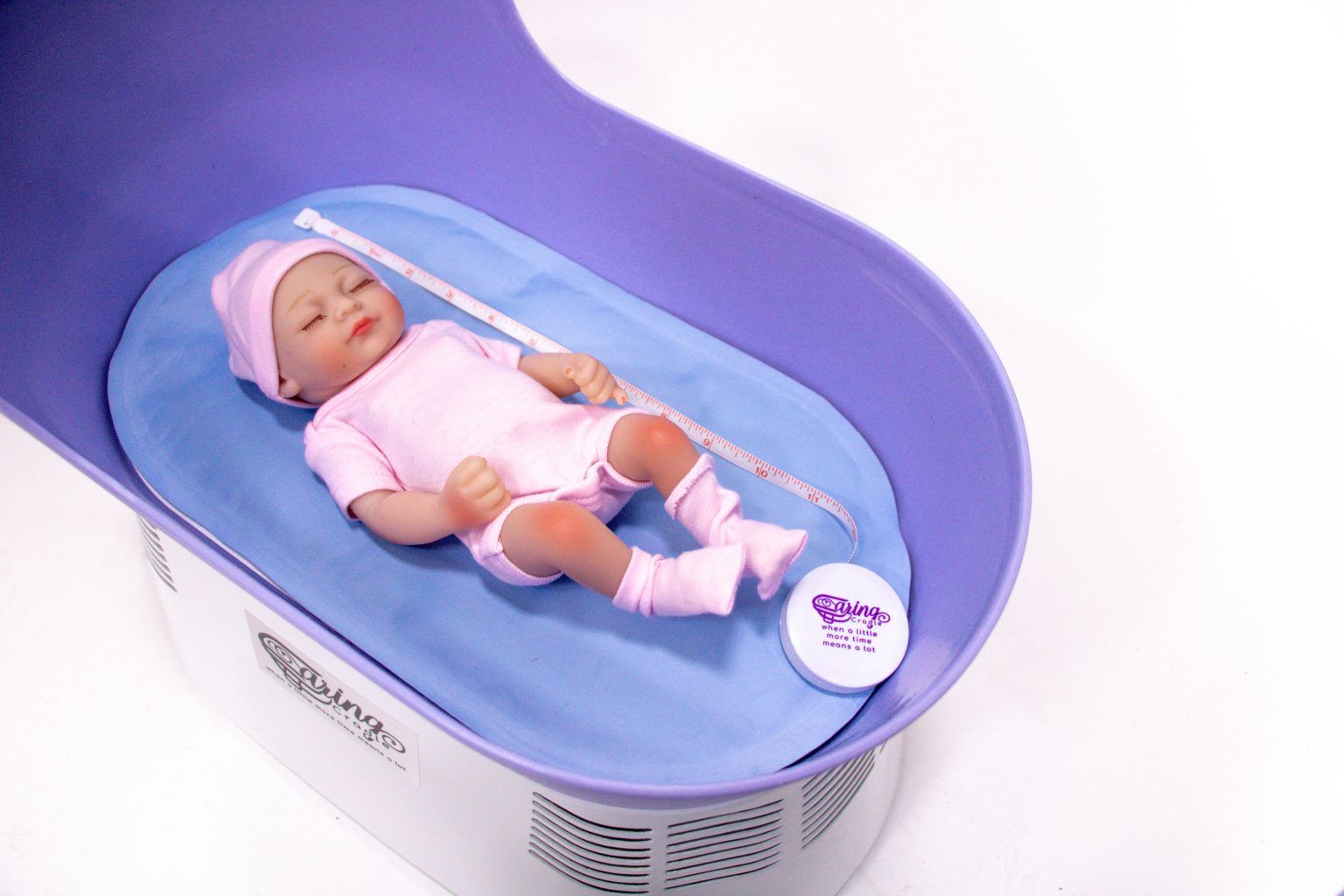
The Caring Cradle is a cooling bassinet created with the aim of giving families extra time to be with a baby who has died. It cools the baby's body so that the baby can stay with the family longer, rather than being separated from them immediately.
The extra time can make a huge difference. With time, a parent doesn’t have to feel that each minute holding their baby is a countdown, a partner can have a private moment, a grandparent may arrive and meet the baby, or a sibling may be included if it is appropriate and desired. Parents may take photographs, make handprints or footprints, dress their baby, pray, read a story, sing a song, or just sit with their child.
The Caring Cradle enables families to keep their baby near to them, and since the unit is self-contained, it does not need continuous supervision by staff. This helps healthcare professionals concentrate on supporting the family rather than managing equipment, as well as giving the family the space, time, and privacy they may desire.
Turning Awareness Into Action
Pregnancy and Infant Loss Awareness Month was officially established in the United States in 1988, and the first presidential proclamation drew attention not only to the tragedy of pregnancy and infant loss, but also to the need for meeting the needs of bereaved parents and families.
More than thirty years later, that challenge is still relevant. But we want more than awareness–we want action.
Awareness involves talking openly about the loss of an infant. It involves remembering and speaking about babies who have died, and it involves teaching patients and healthcare professionals alike about bereavement.
Action is when a hospital provides space for families who have experienced loss. Action is when a healthcare professional can allow grieving parents to take their time. Action is hospitals have the resources to give families something they can never get back once it is gone:
time with their baby.

This Infant Loss Awareness Month, the question is not simply whether we are aware. The more meaningful question is: What will we do with that awareness?
For Caring Cradle, the answer is providing healthcare teams with a tool that gives families more time with their babies, and giving families the time and space to spend those precious moments as they wish, so they can make the memories, connections, and choices they deserve.