
The Hidden Costs of Bereavement Cooling Cots
Hospitals Pay More When They Overlook These Hidden Expenses
What Are the Hidden Costs of Cooling Cots?
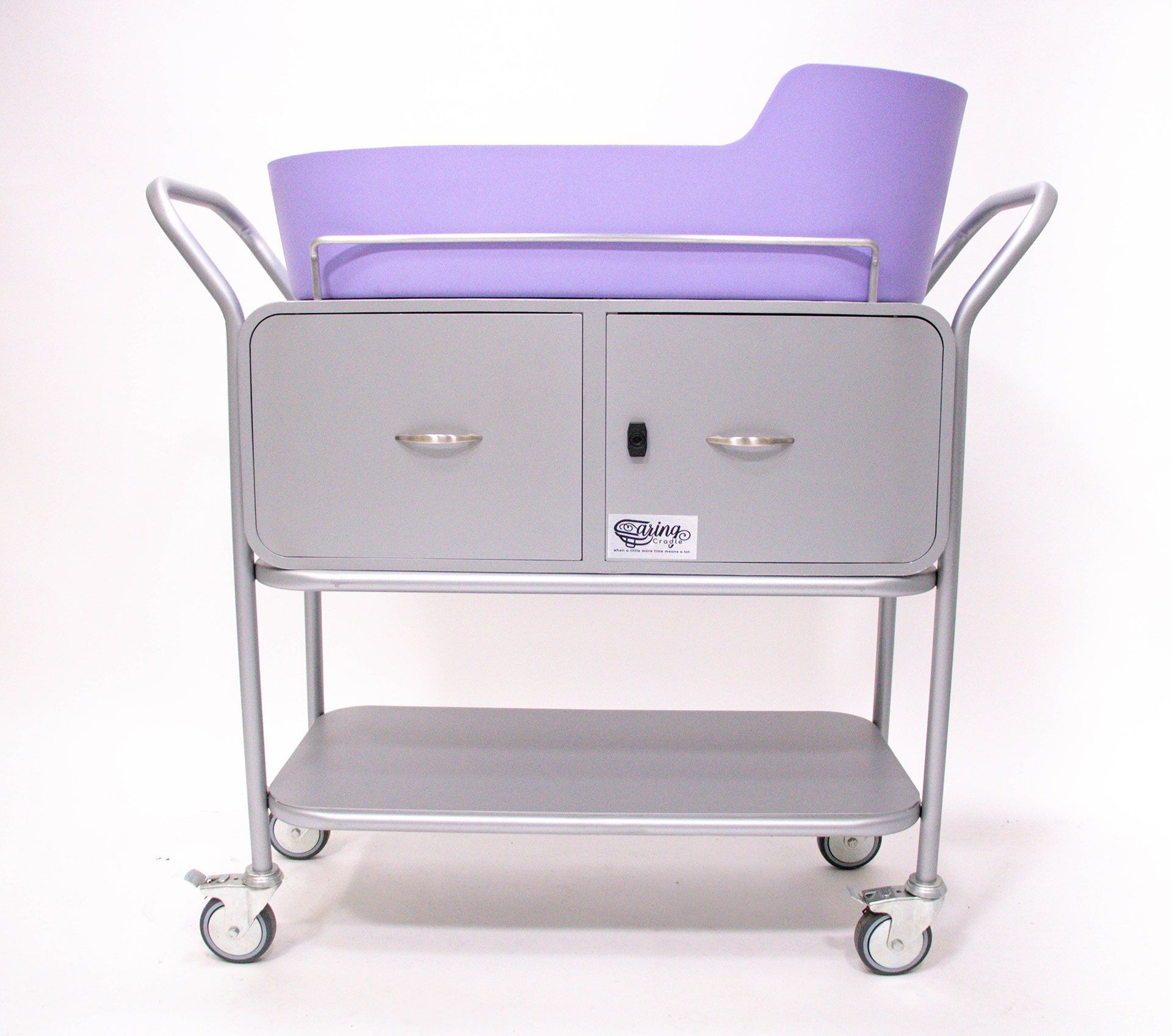
While some bereavement cooling devices may appear less expensive than Caring Cradle® up front, they can come with ongoing operations expenses that accumulate quickly. These hidden costs include:
- Annual maintenance fees,
- Replacement tubing and cooling pads,
- Shipping charges for repairs,
- Specialized cleaning supplies,
- And recurring staff training.
Caring Cradle offers hospitals a lower long-term cost of ownership compared to
CuddleCot by cutting down recurring expenses and operational burdens that healthcare facilities often overlook when purchasing a bereavement cooling system.

With specific devices like CuddleCot, hospitals must account for indirect costs, like the time healthcare professionals spend training on, setting up, draining, sanitizing, and troubleshooting equipment. Unpredictable operational concerns reported by hospitals have included:
- Mold Risk
If tubing is not fully emptied after use, internal mold contamination may require replacement of the unit.
- Sanitation Challenges
Healthcare compliance teams and biomedical departments are increasingly scrutinizing water-based systems due to difficulties fully sanitizing internal tubing and components.
- Hidden Labor Costs
Recurring staff setup, training, maintenance coordination, and downtime can create additional operational burden beyond listed expenses.
When hospitals choose long-lasting, low-maintenance equipment like Caring Cradle, they are supporting compassionate bereavement care and making a smarter long-term financial investment.
Additionally, downtime during repairs of a complicated and high-maintenance system can leave facilities without access to critical bereavement equipment when families need it most–a cost that is incalculable
A Breakdown of the Actual Cost of Inexpensive Bereavement Cooling Cots
The tables below illustrates how a hospital trying to save money will spend more on replacement recommendations and maintenance expenses can accumulate over a six-year period based on publicly available pricing and manufacturer recommendations.
Six-Year Cost Breakdown for a Bargain-Buy Cooling Cot
| Expense | Year 1 | Year 2 | Year 3 | Year 4 | Year 5 | Year 6 |
|---|---|---|---|---|---|---|
| Initial Unit Purchase | $2,950 | — | — | $2,950 | — | — |
| Annual Maintenance | — | $299 | $299 | — | $299 | $299 |
| Shipping for Maintenance | — | $100 | $100 | — | $100 | $100 |
| Large Pad Replacement | — | $170 | $170 | — | $170 | $170 |
| Small Pad Replacement | — | $170 | $170 | — | $170 | $170 |
| Tubing Replacement | — | $125 | $125 | — | $125 | $125 |
| Cleaning Tablets | $20 | $20 | $20 | $20 | $20 | $20 |
| Distilled Water | $40 | $40 | $40 | $40 | $40 | $40 |
| Staff Setup Time | Recurring | Recurring | Recurring | Recurring | Recurring | Recurring |
| Training Costs | Recurring | Recurring | Recurring | Recurring | Recurring | Recurring |
| Downtime for Repairs | Risk | Risk | Risk | Risk | Risk | Risk |
What stands out in this comparison is how quickly the recurring costs begin stacking on top of the original purchase without even including a projected estimate for man-hours or the need for a backup device during downtime.

Total Estimated Surprise Expenses Per Year
| Year | Running Total |
|---|---|
| Year 1 | $3,010 |
| Year 2 | $3,934 |
| Year 3* | $4,858 |
| Year 4 (replacement year) | $7,868 |
| Year 5 | $8,792 |
| Year 6** | $9,716 |
*By year three, the hospital has already spent nearly $5,000.
**By year six, the estimated total approaches $10,000.
These estimates do not factor in staff labor, retraining costs, or replacement expenses incurred early due to user error.
In many cases, hospitals may effectively spend the equivalent cost of multiple systems over the lifespan of one unit simply through ongoing upkeep.
Caring Cradle was designed specifically to avoid these recurring operational and replacement costs, providing hospitals with a long-term, durable solution built for stability and ease of use. With systems commonly lasting 5-7 years or longer and requiring minimal maintenance, hospitals can reduce both cost and downtime by avoiding the recurring replacement part expenses and repeated staff training often associated with more operationally burdensome systems.
Why the Initial Price Is Misleading
A Hospitals investing in bereavement cooling systems, the decision is often made by a simple comparison of upfront prices. The true sticker shock comes later. The true cost of ownership is dramatically increased by:
- Recurring maintenance,
- Replacement parts,
- Shipping delays,
- Repetitious staff training,
- And tariffs from oversea shipping.
Bereavement cooling should be expected to serve families reliably over many years during some of the most emotionally sensitive moments in healthcare.
That’s why long-term durability and simplicity should carry as much weight as the initial price.
Some systems require ongoing replacement of tubing and cooling pads, frequent complex maintenance, specialized cleaning products, and recurring staff retraining. Together, these expenses create a steady cycle of additional cost and operational burden, and what initially appeared to be a less expensive option can become anything but.

How Maintenance Interrupts Clinical Workflow
In busy hospital environments, complicated equipment creates a burden that falls squarely on nurses and bereavement teams. Some cooling systems require staff to completely drain tubing after each use, carefully sanitize internal components, monitor water systems, and manage replacement schedules. If even a small amount of water remains in the tubing, mold and contamination concerns can develop, creating additional complications and costs.
Bereavement education resources should focus on compassionate patient care, rather than spending hospital money and staff’s time on training and retraining on how to use complex and work-intensive cooling systems. Those resources are better spent on aiding staff in communication with families, the guiding of memory-making opportunities, and providing emotional support during unexpected loss.
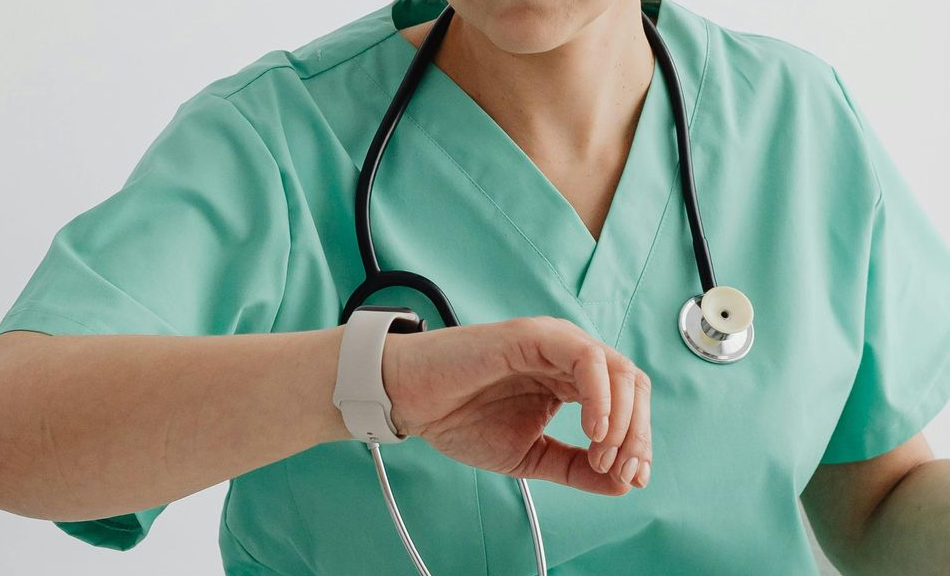
What Is a Reasonable Amount of Time for Staff to Spend Managing Equipment Instead of Supporting Grieving Families?
Managing equipment should take a few easy minutes, and not a moment longer.
At Caring Cradle, we believe it’s our responsibility to the hospital staff and the families to reduce this time as much as possible. This is a problem resolved by superior product design and American-manufactured ingenuity–a fact proven time and time again by feedback from our patients and hospital staff who prefer Caring Cradle.
Why Buying a U.S.-Based Bereavement Device Is Better Financial Sense
Because Caring Cradle is manufactured and shipped in the United States, hospitals benefit from more consistent availability, local support, and fewer supply chain uncertainties, including:
- Round-the-clock, 24/7 customer support
- US-based insurance coverage
- Faster shipping Times
Products manufactured overseas like the CuddleCot may face:
- Tariff increases
- Longer shipping timelines
- Delayed replacement parts
- Extended repair turnaround times
For hospitals, these delays can add to the cost of their bereavement cooling system and directly impact patient care readiness.
Looking Beyond the Price Tag
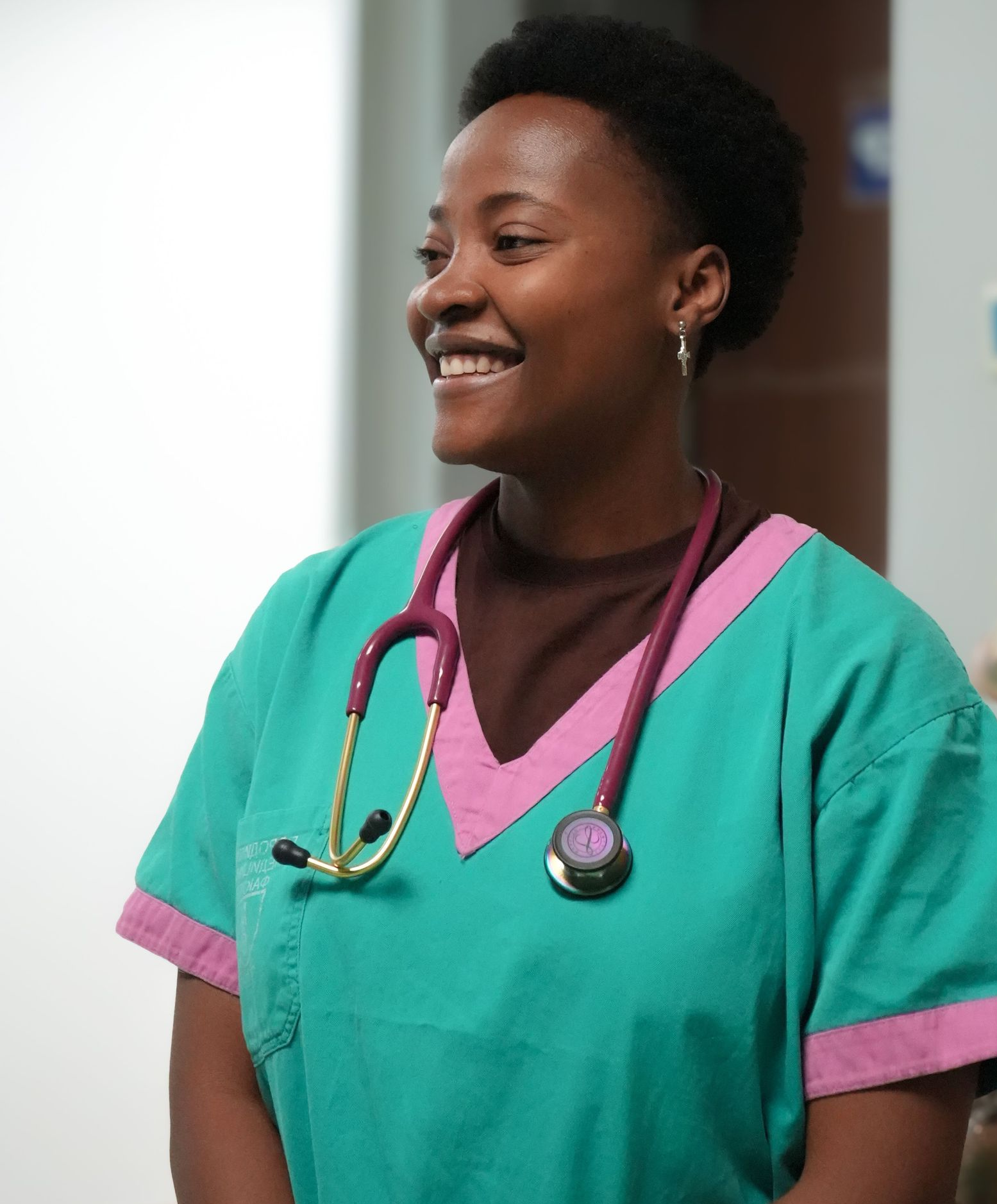
Perinatal loss situations are emotionally overwhelming for both families and caregivers. In those moments, hospitals need equipment that works reliably with minimal setup and minimal troubleshooting. A cooling device should quietly support the experience, not become another source of stress for nurses trying to care for a grieving family.
When a family experiences the loss of a baby, their grief can be felt by the entire hospital unit. The true value of a bereavement cooling system is not measured solely by what appears on the initial price tag.
Hospitals must also consider:
- How long the system will reliably function
- How much staff time it requires
- What ongoing costs will accumulate year after year
- Whether it can be reliably ready and available for families in need
When hospitals choose long-lasting, low-maintenance equipment like Caring Cradle, they are supporting compassionate bereavement care and making a smarter long-term financial investment.
By reducing recurring maintenance fees, replacement part costs, staff retraining, downtime, and supply chain complications, hospitals can avoid many of the hidden expenses that continue accumulating year after year with more high-maintenance systems.
The result is a dependable solution that protects both hospital resources and the quality of care families receive during some of life’s most difficult moments.
The Caring Cradle® exists to give time, dignity, and peace to those moments that matter most, because every family deserves the chance to say goodbye their way.